✺
Propaganda is not a dirty word. But the propaganda about propaganda has made it one.
The term comes from 17th-century Catholicism - the “College of Propaganda,” created by Pope Urban VIII to train missionary priests. Their goal?
To convert. To sell. To convince.
In other words: to communicate an idea so clearly, confidently, and consistently… that others believed it too.
As an early 20th-Century Scientific American article put it:
“Judged by this definition, we can see that in its true sense propaganda is a perfectly legitimate form of human activity.”
That’s all propaganda is. And always has been.
A strategic message, repeated until it becomes truth.
So why do we now treat it like a sin?
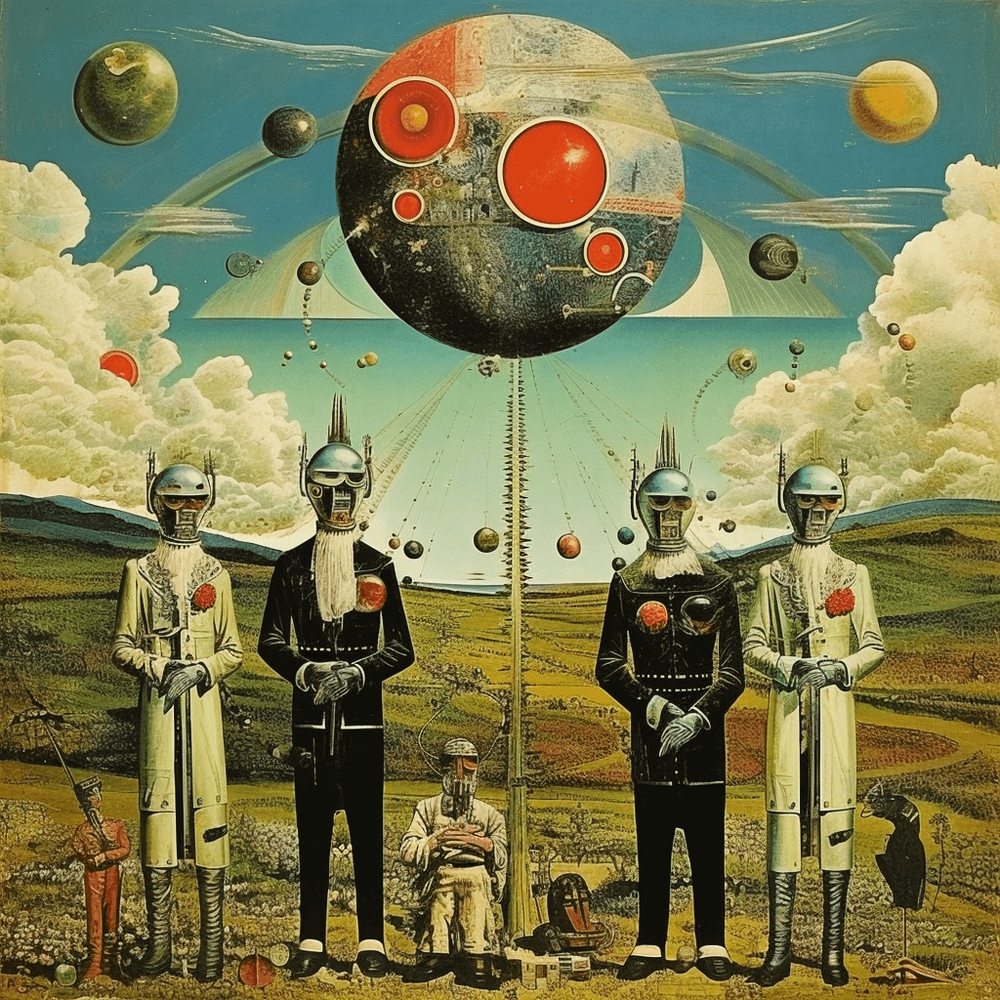
'Human' activity.
The Ethical Trap
Somewhere along the way, the word became poison.
Mostly because the people who used it best - governments, media empires, religious institutions - didn’t want you to use it.
So they did what they do best: They used propaganda… to convince you that propaganda is evil.
They called it brainwashing. They called it manipulation. They called it unethical.
All while using it more aggressively than ever.
But Let’s Be Real
Every founder uses propaganda. Every thought leader. Every brand. Every political party. Every TED talk. Every Substack post (yes, including this one).
If you’re trying to persuade someone of an idea you believe is true, you’re engaging in the original function of propaganda.
And that’s not inherently dishonest.
It’s human.
“Truth is mighty and must prevail,” one article from 1920 said. “And if any body of men believe that they have discovered a valuable truth, it is not merely their privilege but their duty to disseminate it.”
So What’s the Point?
The real danger isn’t propaganda. It’s cowardice disguised as ethics.
It’s hiding from influence because you’re afraid of how it will look. It’s leaders avoiding visibility because they don’t want to be seen as “self-promotional.” It’s public figures whispering instead of owning the room.
We don’t need less propaganda. We need better propaganda - in the hands of people who stand for something real.
People who know who they are. What they believe. What they want to shape.
Identity, built intentionally. Truth, repeated strategically. Impact, delivered publicly.
That’s not branding. That’s ethical influence.
That’s what I help people do.
Because in a world of strategic silence, propaganda is power.